SPF Rig Insurance: What Covers Your Proportioner, Hoses, and Spray System
By Josh Cotner
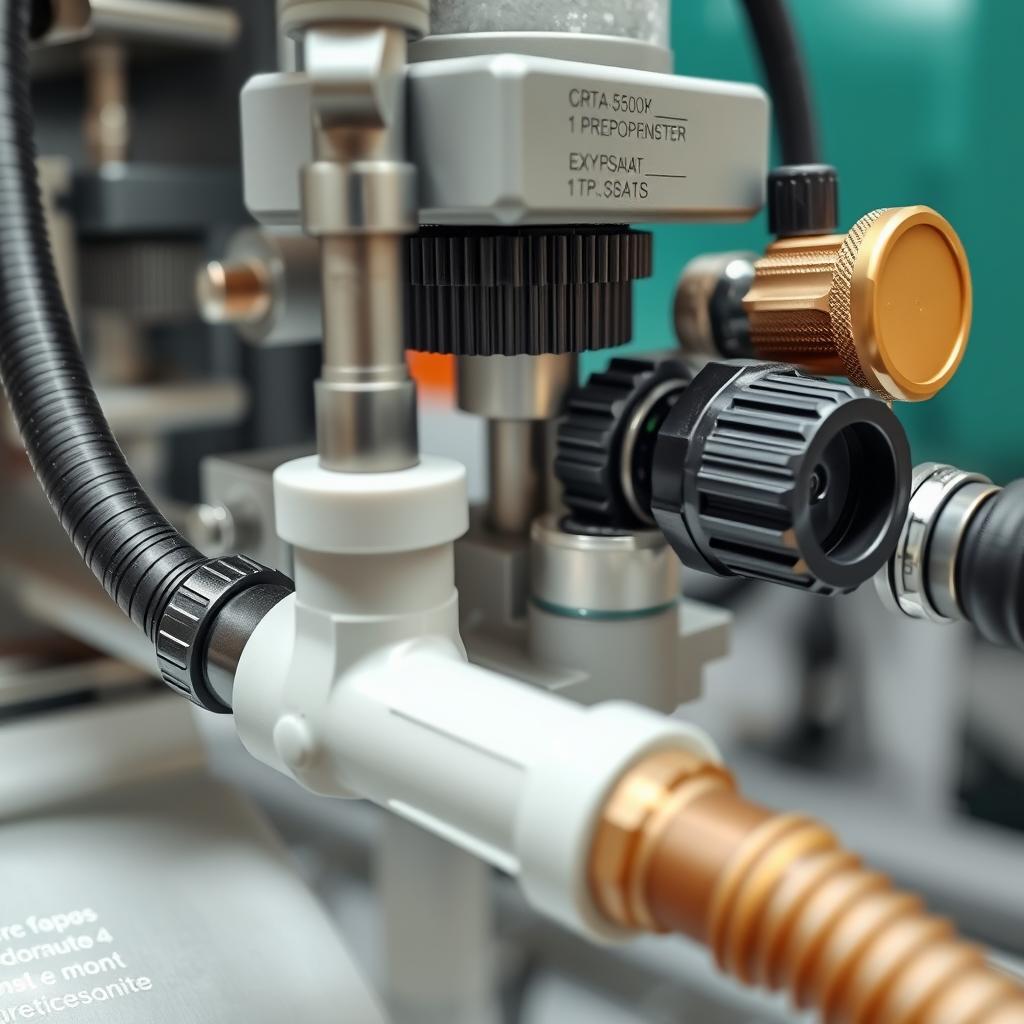
The proportioner is the core production asset of every SPF operation. Without it, there's no work. A proportioner failure, theft, or job-site damage event can shut down an SPF business for days or weeks while waiting for repair or replacement.
Most SPF contractors assume their commercial auto policy covers the proportioner. It doesn't.
What Commercial Auto Covers (And Doesn't)
Commercial auto insurance covers the vehicle — the truck, van, or trailer. It covers:
- Collision damage to the vehicle
- Comprehensive loss (theft, fire, weather) of the vehicle
- Liability for accidents involving the vehicle
It does not cover:
- The proportioner machine mounted in or on the vehicle
- Heated hose assemblies
- Spray guns, tip kits, and application equipment
- Drum heaters, generators, or ancillary SPF equipment
- Equipment temporarily removed from the vehicle at a job site
If your proportioner is damaged in a job-site accident, stolen from a work site, or fails due to a covered cause — your commercial auto policy will likely deny the claim. The proportioner isn't the vehicle.
What SPF Rig Insurance Covers
SPF rig insurance is an inland marine policy — specifically an equipment floater — that covers your SPF equipment as mobile property wherever it goes.
Coverage includes:
Proportioner machine: The core SPF unit — typically insured at agreed value or replacement cost. Replacement values range from $15,000 (used entry-level units) to $80,000+ (high-output commercial proportioners).
Heated hose assemblies: Heated transfer hoses can run $3,000 to $8,000 per set. A heated-hose failure or job-site damage event can be a $5,000 to $10,000 loss. Without a floater, that's an uninsured loss.
Spray guns and tip kits: Spray guns typically run $1,000 to $3,000 each. Tip kits, extensions, and application accessories add to the equipment schedule.
Generators and drum heaters: Ancillary power and heating equipment used in SPF operations are covered under the floater when scheduled.
Coverage location: On any job site, in transit between locations, at your shop or yard, and at temporary storage locations. This is the key advantage over commercial property, which only covers equipment at a fixed, scheduled location.
Agreed Value vs. Actual Cash Value
The valuation method on your equipment floater matters enormously.
Actual cash value (ACV): The insurer pays replacement cost minus depreciation. A proportioner purchased for $45,000 three years ago might pay out at $27,000 under ACV — leaving you $18,000 short of replacement.
Agreed value: The policy pays the agreed amount in the event of a covered loss, regardless of depreciation. A $45,000 agreed-value endorsement pays $45,000.
We write proportioner floaters at agreed value wherever markets allow. For high-value proportioners ($40,000+), the difference between ACV and agreed value at claims time can be the difference between replacing your rig and closing your business.
Financed Equipment and Lender Requirements
Many SPF contractors finance their proportioner. Equipment lenders typically require that the proportioner be insured at replacement cost with the lender named as loss payee.
The lender certificate for a financed proportioner must show:
- Equipment floater (inland marine) coverage
- Agreed value or replacement cost valuation
- Lender named as loss payee
- Coverage amount meeting or exceeding the outstanding loan balance
Commercial auto certificates don't satisfy this requirement — they cover the vehicle, not the proportioner. We issue equipment floater certificates that meet lender requirements.
The Commercial Auto / Equipment Floater Boundary
One of the most important coverage coordination tasks for SPF contractors is clearly defining the boundary between commercial auto and the equipment floater.
The rule of thumb:
- Vehicle = commercial auto
- SPF equipment attached to or carried on the vehicle = inland marine (equipment floater)
Some commercial auto carriers will write limited equipment coverage as an endorsement — but those endorsements typically have low sublimits ($5,000–$10,000) that don't reflect proportioner replacement values.
We document the coverage boundary in writing and coordinate both policies so that a loss event doesn't fall into the gap between the two.
What the Equipment Floater Doesn't Cover
Equipment floaters cover physical loss and damage to equipment. They don't cover:
- Mechanical breakdown (that's equipment breakdown coverage, a separate product)
- Business income loss from equipment downtime (business interruption coverage)
- Liability for damage your equipment causes to third-party property (that's GL or CPL)
For critical proportioner systems, equipment breakdown coverage is worth considering alongside the floater — it covers internal mechanical and electrical failure that a property floater excludes.
Have an SPF insurance question?
Get a real quote in about 15 minutes — we shop A-rated SPF-specialist markets.