SPF Contractor General Liability for SPF Contractors
SPF contractor GL is not standard contractor GL with a spray foam endorsement — it's a distinct product written for the classification, chemical exposure, and completed-operations profile of spray polyurethane foam applicators. Standard GL policies deny SPF claims at the class code level and through pollution exclusions. We write GL that actually covers SPF work.
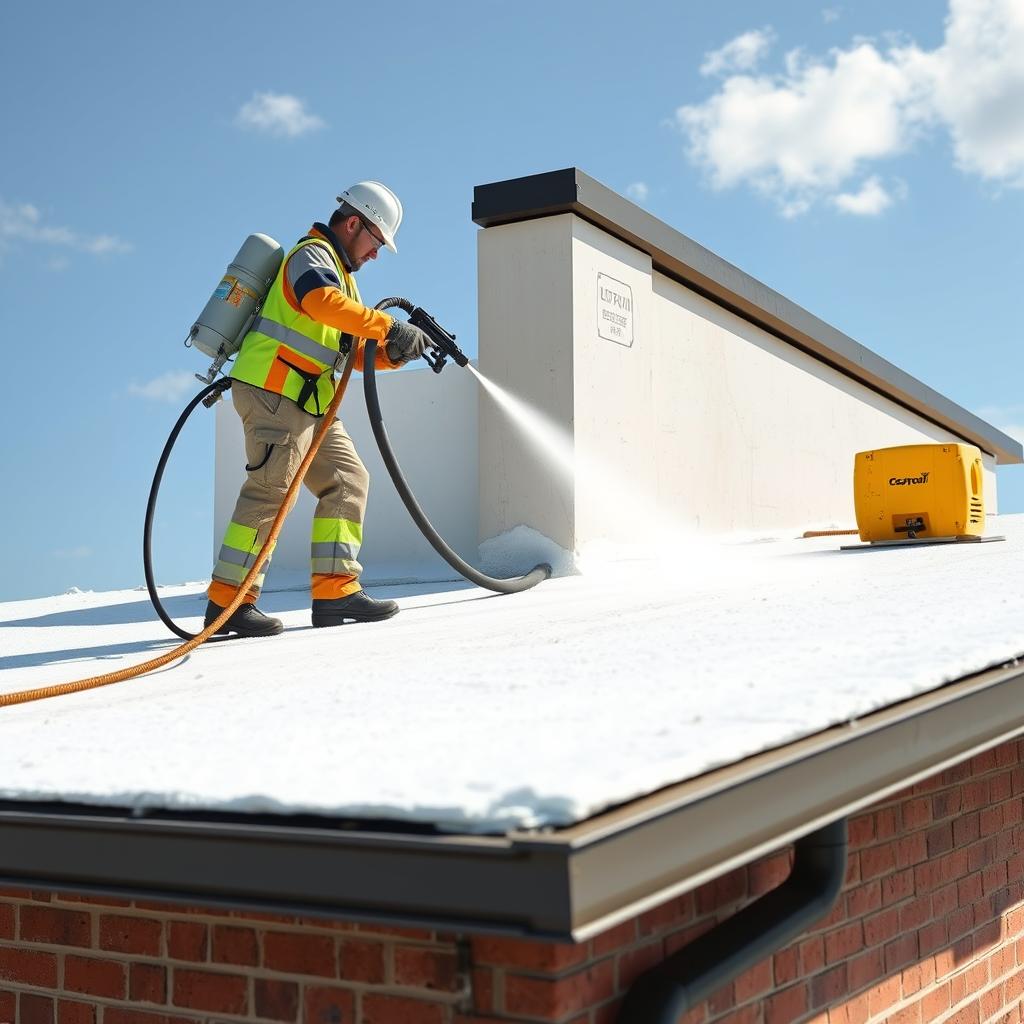
What it covers
- Bodily injury and property damage arising from SPF application operations
- Completed-operations coverage for foam applied in prior policy periods
- Off-ratio application events as covered occurrences (not excluded 'expected injury')
- Premises and operations for SPF job sites
- Personal and advertising injury
- Medical payments to third parties
- SPF-specific class code endorsements (not mislabeled as general insulation)
Who it's for
- Residential closed-cell and open-cell SPF applicators
- Commercial SPF roofing contractors
- Agricultural and cold-storage SPF applicators
- SPF insulation subcontractors working under GC contracts
- SPF contractors entering new states or application types
- Contractors transitioning from standard GL that excluded SPF work
Why CCA
- SPF class code expertise — we assign the correct NCCI/ISO codes, not generic 'insulation contractor'
- Off-ratio endorsement review — we verify the policy language covers off-ratio events as occurrences
- Pollution exclusion audit — we confirm isocyanate and VOC exposure is not excluded by the GL pollution clause
- Completed-operations verification — confirm your GL covers foam applied in prior periods
- Same-day certificates with accurate SPF coverage language for GC review
Common questions about spf contractor general liability
SPF GL uses the correct class codes for spray foam applicators, includes off-ratio endorsements, and is written with carriers who understand that isocyanate exposure events are covered occurrences — not pollution exclusions or product defects.
In most cases, no. Standard GL policies treat off-ratio events as 'expected or intended injury' or exclude them under product liability exclusions. SPF-specific GL endorsements address off-ratio events explicitly as covered occurrences.
Yes, with a blanket subcontractor endorsement. We verify that your GL extends coverage to hired SPF applicator subcontractors and review their certificate requirements.
Yes. SPF-specific GL is endorsed to cover isocyanate exposure events and off-ratio application claims that standard GL pollution exclusions and product exclusions eliminate. A standard contractor GL policy will typically deny SPF-related claims.
In most cases, yes. GL covers general bodily injury and property damage from your operations. CPL specifically covers pollutant-triggered claims — isocyanate and VOC exposure events that fall under GL pollution exclusions. The two policies work together to provide complete coverage for SPF applicators.
Yes. We write SPF contractor insurance in all 50 states through admitted and E&S carriers. Some states have more SPF carrier options than others — California, Texas, and Florida have the deepest SPF markets.
A.M. Best assigns financial strength ratings to insurance carriers. A-rated carriers have demonstrated strong financial strength and are required by most commercial contracts. We place SPF insurance exclusively through A-rated and A+ A.M. Best rated carriers.
Yes. SPF GL policies can add general contractors, property owners, and project managers as additional insureds. We process certificate requests and additional insured endorsements same-day.
Annual review is standard, but coverage should also be reviewed when: you add application types (e.g., start doing SPF roofing), add crew members, purchase new proportioner equipment, expand to new states, or take on commercial projects with higher limit requirements.
Occurrence-based GL covers claims for events that occur during the policy period regardless of when the claim is filed. Claims-made GL covers claims filed during the policy period. For SPF contractors with completed-operations exposure (foam applied in prior years), occurrence-based GL is generally preferable — it covers long-tail completed-operations claims without requiring tail coverage.
Tail coverage (extended reporting period) applies to claims-made policies. It extends the period during which claims can be reported after the policy ends. If you hold a claims-made GL or CPL, tail coverage is critical when you cancel or change carriers — especially for SPF applicators with completed-operations exposure from prior years.
SPF-specific GL includes completed-operations coverage for claims arising from foam applied in prior policy periods. Standard GL completed-operations exclusions for SPF work are common — verify your policy covers SPF completed operations explicitly.
Yes. New SPF contractors without prior insurance history can be placed in E&S markets with slightly higher rates, with rates typically improving after 1–3 years of clean loss history. We work with markets that write new-venture SPF accounts.
Most SPF contractors carry $1M per occurrence / $2M aggregate. Commercial projects and GC requirements frequently call for $2M/$4M or $3M/$6M. Umbrella policies are then stacked above to reach $5M or $10M total limits.
Report claims to your carrier immediately upon a covered event or notice of potential claim. For SPF contractors, this includes: off-ratio application events, occupant complaints about off-gassing, foam adhesion failures, and any third-party bodily injury or property damage arising from your SPF work. We provide claims coordination and carrier contact guidance.
Yes — and we recommend it. Coordinating GL, CPL, WC, commercial auto, rig insurance, and umbrella through a single agency prevents coverage gaps (particularly between commercial auto and rig equipment), simplifies certificate management, and allows us to review the full program for completeness annually.
An equipment floater (inland marine) covers mobile equipment — like your SPF proportioner — wherever it goes: job sites, in transit, and at your yard. Commercial property only covers equipment at a fixed, scheduled location. SPF proportioners require a floater, not a property policy, because they move with every job.
Pair it with related coverage
SPF contractor coverage — bound fast
A-rated carriers, SPF-specific GL, CPL for isocyanate exposure, rig insurance, and umbrella limits that meet GC requirements. 15-minute quotes.