Why Standard GL Excludes SPF Work (And What Actually Covers It)
By Josh Cotner
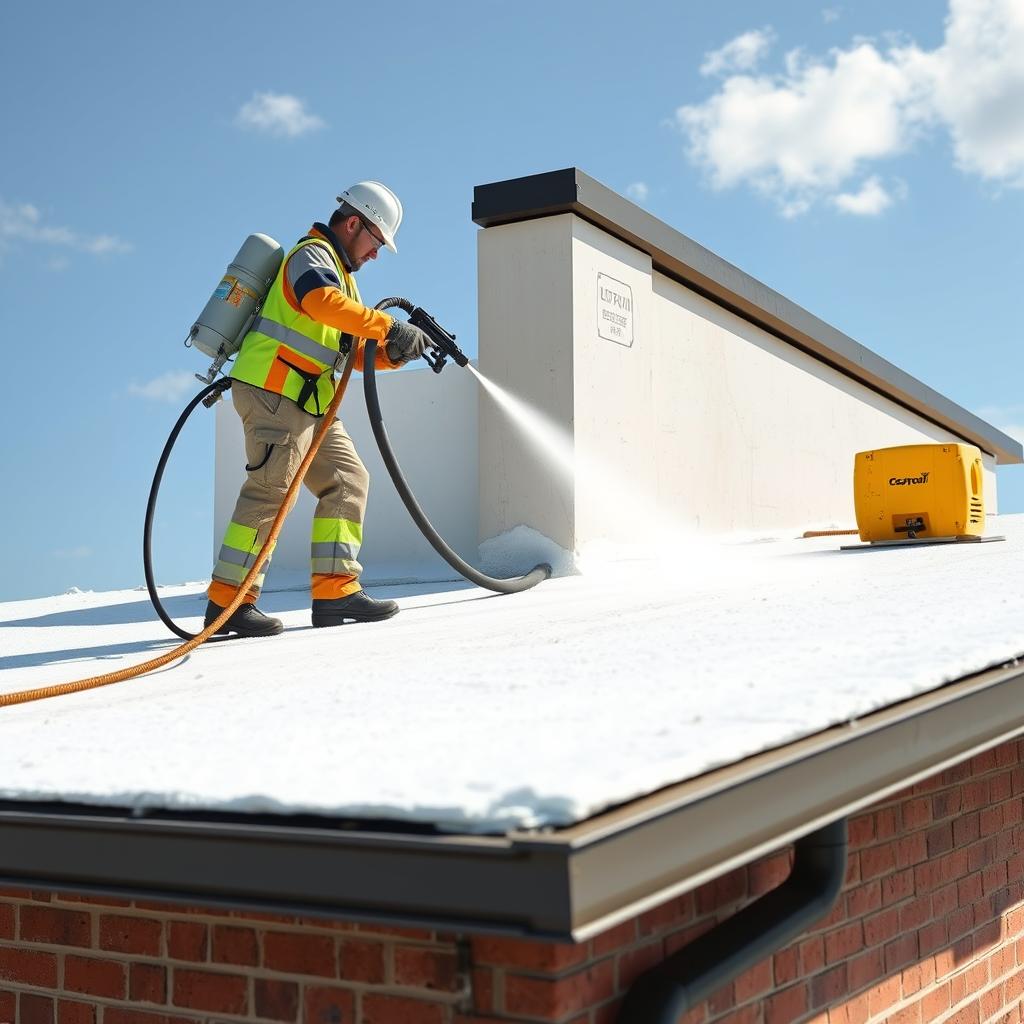
Spray polyurethane foam contractors are among the most frequently misclassified and underinsured contractors in the specialty trades. The reason is technical: standard GL policies are written for standard construction trades, and SPF application doesn't fit the mold.
The Classification Problem
Standard GL policies are rated by class code. NCCI and ISO classification systems weren't originally designed with SPF applicators in mind. Many SPF contractors end up on generic "insulation contractor" or "painting contractor" codes — and those codes come with exclusions or limitations that effectively exclude SPF work.
When a claim arises from SPF application on a policy that wasn't written for SPF, the carrier's first question is: was this class of work covered? If the answer is no, the claim is denied.
The fix is writing GL on the correct class codes from day one — codes that explicitly cover spray polyurethane foam application operations.
The Pollution Exclusion Problem
Even if your GL policy is correctly classified, the ISO standard pollution exclusion creates a second coverage gap.
Isocyanates — the A-component in SPF, typically methylene diphenyl diisocyanate (MDI) — are classified as pollutants under standard ISO GL language. The standard pollution exclusion eliminates coverage for bodily injury or property damage arising from the discharge, dispersal, seepage, migration, release, or escape of pollutants.
Isocyanate off-gassing during application, MDI vapor exposure to occupants, and amine catalyst releases all fall squarely under that exclusion. A standard GL policy won't cover those claims.
The Off-Ratio Problem
Off-ratio application — where the A and B components are mixed at an incorrect ratio — is one of the most common SPF job site events. Results include soft foam, incomplete cure, chemical release, or adhesion failure.
Standard GL policies often treat off-ratio events in one of two ways:
- As "expected or intended injury" (excluded under the occurrence definition)
- As product defect claims (excluded under product/completed operations exclusions)
Either way, the claim gets denied.
What SPF-Specific GL Fixes
A properly constructed SPF contractor GL policy addresses all three problems:
1. Correct classification: The policy is written on class codes that explicitly cover spray polyurethane foam application — not generic insulation or painting codes.
2. Isocyanate coverage endorsement: An endorsement modifies the standard pollution exclusion to include (or at minimum not exclude) isocyanate and related SPF chemical exposure events as covered occurrences.
3. Off-ratio endorsement: Explicit policy language treating off-ratio application events as covered occurrences, not excluded product defects or expected injuries.
4. Completed operations coverage: SPF-specific GL confirms that completed operations coverage applies to foam applied in prior policy periods — protecting against long-tail claims that surface months or years after application.
What to Ask Your Broker
If you're currently carrying a standard contractor GL, ask your broker to pull the declarations page and answer these questions:
- What class code is the policy written on?
- Does the pollution exclusion exclude isocyanates or VOCs?
- Is off-ratio application treated as a covered occurrence?
- Does completed operations coverage apply to SPF work in prior periods?
If your broker can't answer these questions — or if the answers reveal coverage gaps — you're carrying a policy that won't respond to the claims most likely to affect your business.
SPF-specific GL isn't a niche product. It's the correct product for your trade. The cost difference between generic contractor GL and properly endorsed SPF GL is typically small — the difference in claim response can be total.
Have an SPF insurance question?
Get a real quote in about 15 minutes — we shop A-rated SPF-specialist markets.