Isocyanate Exposure and SPF Pollution Liability Coverage
By Josh Cotner
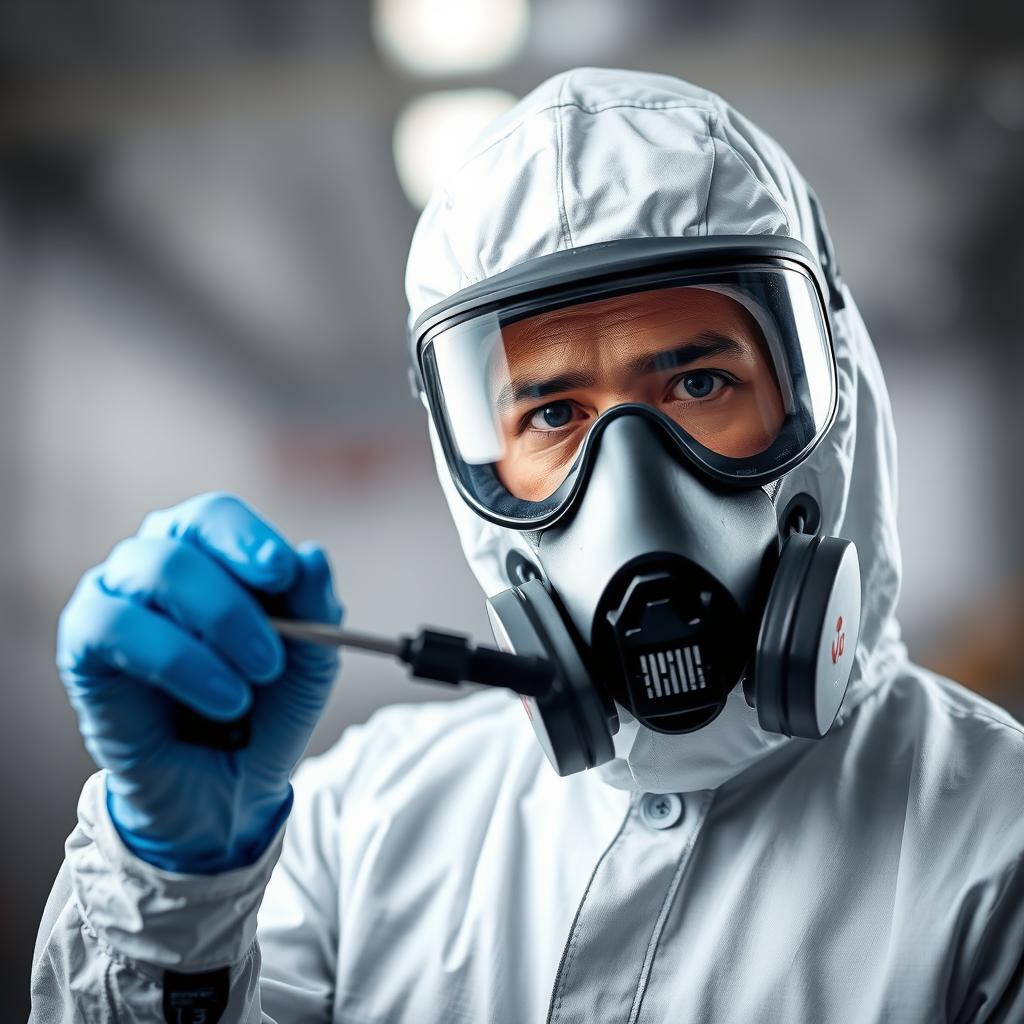
Spray polyurethane foam involves two types of isocyanates in standard formulations: MDI (methylene diphenyl diisocyanate) in closed-cell systems, and sometimes TDI (toluene diisocyanate) in certain open-cell systems. Both are classified as hazardous substances by OSHA, and both fall squarely within the definition of "pollutants" in standard ISO general liability policy language.
That means standard GL doesn't cover isocyanate exposure claims. Contractor Pollution Liability (CPL) does.
What OSHA Says About Isocyanates
OSHA's permissible exposure limit (PEL) for MDI is 0.02 ppm as a ceiling value — meaning no worker exposure should exceed that level at any time. The OSHA PEL for TDI is 0.02 ppm (TWA, time-weighted average) and 0.005 ppm (STEL, short-term exposure limit).
At concentrations above the PEL:
- Acute effects include respiratory irritation, asthma-like symptoms, and skin sensitization
- Chronic effects include occupational asthma, which can be permanent once sensitization occurs
- Sensitized individuals can react to extremely low subsequent exposures
From an insurance standpoint, the practical effect is this: any third-party claim alleging isocyanate exposure will be treated as a pollution event under standard GL language — and denied.
What CPL Trigger Language Covers
Contractor Pollution Liability policies are specifically designed to cover pollutant exposure events that GL excludes. The key variable is the CPL trigger language — how the policy defines what pollution events activate coverage.
For SPF contractors, CPL should cover:
During-operations exposure: Third-party bodily injury from isocyanate vapors released during active application — building occupants, neighboring property owners, bystanders.
Post-application off-gassing: Indoor air quality claims from building occupants after SPF application — complaints of respiratory symptoms, headaches, or chemical odors during the cure period.
Amine catalyst exposure: Secondary exposure events from amine catalysts in the B-component, which have their own health effects distinct from isocyanate exposure.
Blowing agent releases: HFO (hydrofluoroolefin) and CO2 blowing agents released during application or due to equipment malfunction.
Property damage from chemical migration: Contamination of HVAC systems, ductwork, or building materials from isocyanate vapor during application.
The Retroactive Date Problem
CPL policies are typically written on a claims-made basis. This means coverage applies to claims filed during the policy period — but only if the policy retroactive date covers the date of the exposure event.
For SPF contractors, managing the retroactive date is critical. Isocyanate sensitization claims can surface years after the application event. If you've been applying SPF since 2018 and your CPL retroactive date is 2024, a claim arising from a 2020 application event is likely excluded.
When placing CPL, we backdate retroactive dates as far as markets allow. When switching CPL carriers, we maintain retroactive date continuity. If you're purchasing CPL for the first time, we discuss what prior-period exposure the retroactive date selection creates.
Transportation Pollution
SPF contractors also transport A and B component drums between job sites. Standard commercial auto policies do not cover pollution liability from chemical releases during transport — a drum failure, vehicle accident, or loading incident involving MDI creates a pollution event that's excluded under commercial auto.
Some CPL policies extend to transportation pollution events. Others require a separate commercial auto pollution endorsement. We coordinate the two policies to eliminate the transport gap.
What CPL Doesn't Cover
CPL covers third-party claims — claims by people outside your business. It does not cover:
- Workers' compensation claims from your own employees (that's WC)
- Your own property damage from chemical releases (that's commercial property)
- Product recall or business interruption losses
CPL and WC work together to cover the full spectrum of isocyanate exposure risk — CPL for third-party claims, WC for employee claims.
Placing CPL With the Right Trigger Language
Not all CPL policies are equal. The trigger language — how the policy defines covered pollution events — determines whether your specific isocyanate exposure events are covered.
We review CPL trigger language carefully for SPF contractors, specifically looking for:
- Whether MDI and TDI are listed or implied as covered pollutants
- Whether off-gassing and vapor migration are covered (not just spills and releases)
- Whether the policy covers gradual as well as sudden pollution events
- Whether indoor air quality claims are explicitly addressed
A CPL policy with the wrong trigger language is nearly as bad as no CPL. We place CPL with carriers whose language has been tested against SPF isocyanate claims.
Have an SPF insurance question?
Get a real quote in about 15 minutes — we shop A-rated SPF-specialist markets.